 Columbus OVI/DUI Attorney Blog
 Over the past few months, courts in Central Ohio took a variety of steps to deal with the unprecedented challenges presented by the Coronavirus Pandemic. As the State of Ohio moves toward ‘reopening’ in this new reality, central Ohio courts are beginning to release plans on how they will operate in a way which will minimize the risk to court personnel, judges, attorneys and others with business before the court. Some courts have decided to publish their plans for reopening even before the release of the Supreme Court’s guidelines. Not every court has released such plans yet, so we will update this post as more information becomes available.
How Are Central Ohio Courts Operating In The Era Of COVID-19?


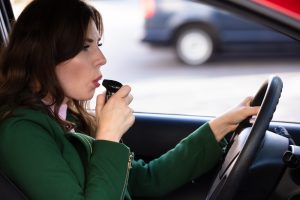 It makes the roads safer, except when it makes the roads more dangerous. It’s a fair consequence for a person convicted of DUI/OVI, except when it’s unfair. The ignition interlock device has been used increasingly by Ohio and most other states to prevent drunk driving. As illustrated by a recent

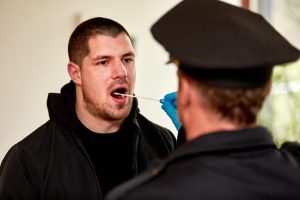 The ever-growing number of states which have legalized either medical marijuana or recreational marijuana has created a number of issues for law enforcement and the justice system. Chief among those issues is the challenge of enforcing laws against operating a vehicle under the influence of marijuana. In an effort to overcome this challenge, the Norwegian company Drauger developed the DrugTest 5000. This system uses a mouth swab, taken roadside, to help determine if a driver is under the influence of marijuana or other drugs. The DrugTest 5000 has been in use in Norway since 2015 and has seen
 Some people can’t resist. After having drinks, they get a craving, and they have to satisfy it. For some, it’s tacos or wings. For others, it’s burgers and fries. It’s typically not broccoli and kale. And then they go to a drive-thru when perhaps they shouldn’t be driving, and they end-up arrested for DUI/OVI. Two recent news-making DUI arrests demonstrate the danger of caving to cravings and driving-thru instead of staying home.
 Texting is arguably more dangerous than drunk driving. According to a study conducted by
 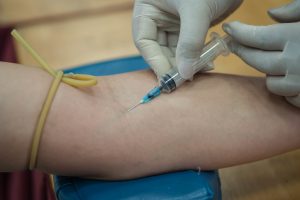 Brynn Campbell was involved in a head on-crash which killed the 83-year-old woman driving the other car. Campbell was taken to the hospital, and hospital staff performed a urine test. Although Campbell showed no obvious signs of impairment, a police officer went to the hospital and asked the nurse for the urine test results. The results showed Campbell’s alcohol level was well over the limit, according to the