 Columbus OVI/DUI Attorney Blog



In November of 2022, an article in this blog reported the state of Ohio intends to use oral fluid testing in the future. The future is here. When NBC4 reported on the Traffic Safety Council’s recommendation of oral fluid testing for DUI cases (called ‘OVI’ in Ohio), the Ohio Department of Health had already passed new regulations which add oral fluid to the bodily substances which may be tested. Those regulations became effective on January 23, 2023.
Continue Reading

 I’m not crazy about cold weather, and autumn signals the inevitable temperature decreases in Ohio. On the other hand, autumn also means the O.S.U. football season, as well as the annual DUI defense seminar in Las Vegas. I have attended the seminar about 20 times, and this year I gave a presentation.
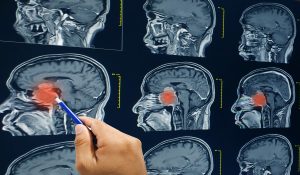 Determining whether a driver is under the influence of marijuana is challenging. The standardized field sobriety tests used to predict alcohol levels are ineffective for marijuana intoxication. Levels of THC and its metabolites in blood and urine are not closely correlated with marijuana intoxication. So, how can law enforcement determine when THC is impairing a person’s ability to drive? Researchers are working on brain imaging technology which may offer a more reliable method for identifying impairment from marijuana intoxication.
 A few days before the Kansas City Chiefs were to play in the Super Bowl, assistant coach Britt Reid (son of head coach Andy Reid) was involved in a three-car accident which left a five-year-old in critical condition. Earlier this month, Britt Reid
  Many people charged with DUI (called ‘OVI’ in Ohio), especially those charged with a first offense, feel like they are in the dark. They do not understand the elements and consequences of OVI, and they do not know what to expect in the court process. They also are uncertain about whether to hire a lawyer and how to find a good defense attorney. I recently published a new book, the Ohio DUI/OVI Guide, which answers most of the questions people ask in this situation. My hope is that those who read the guide will no longer be in the dark.
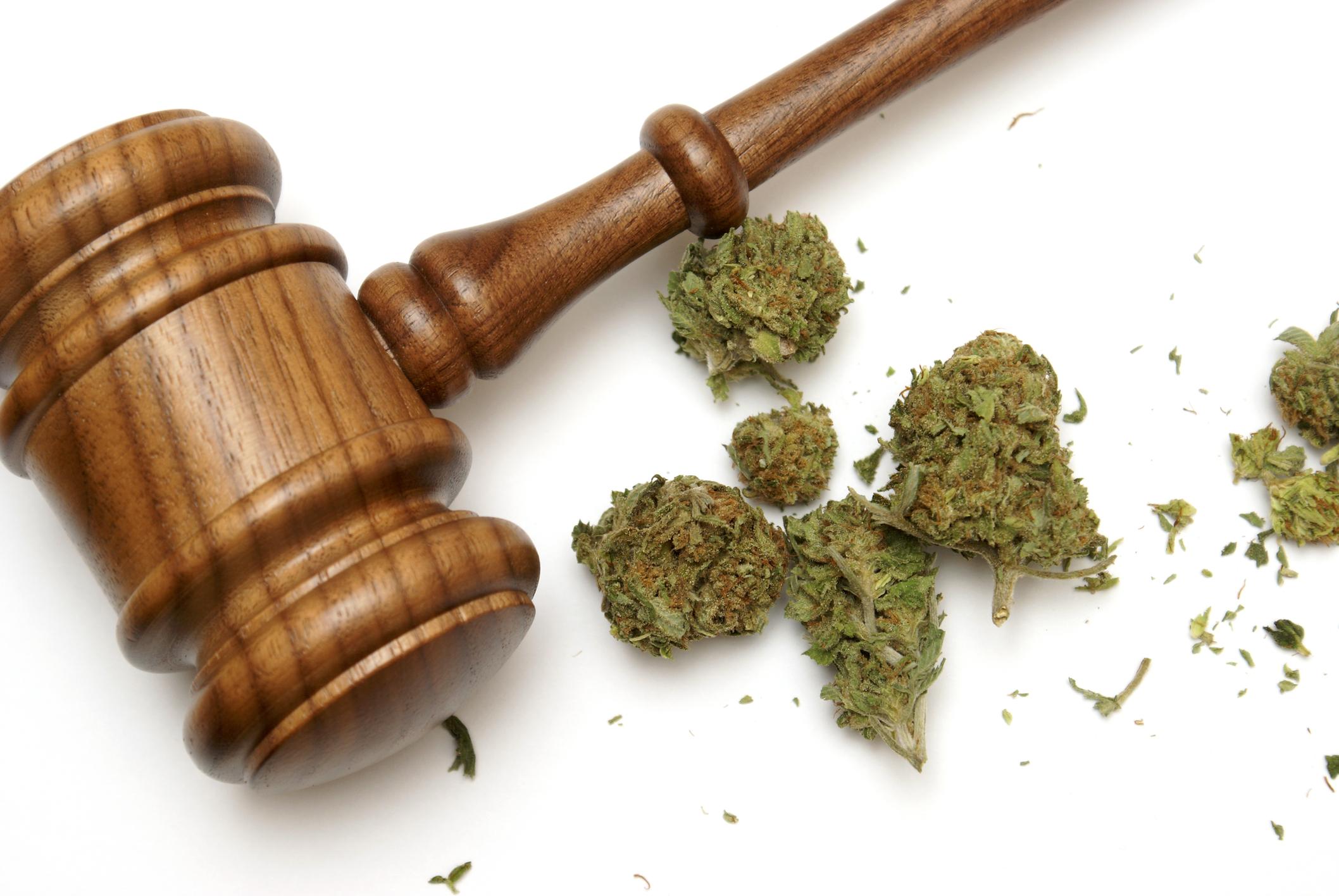
 Most states now have some form of legalized marijuana. Thirty-four states (as well as D.C., Guam and Puerto Rico) have medical marijuana programs, and ten states permit recreational marijuana use. The states with recreational marijuana have questioned whether marijuana legalization results in more traffic accidents. According to a recent