Columbus OVI/DUI Attorney Blog


 If another driver becomes angry with you, that driver can easily call the police and report you as a drunk driver. The driver doesn’t have to give a statement to the police. In fact, the allegation can be completely anonymous.
Should police officers be permitted to stop you based only on another person’s anonymous tip? That question will be answered by the Ohio Supreme Court, as it recently agreed to hear the case of State v. Tidwell. The case could have broad implications, not for not just OVI cases, but for individuals’ Fourth Amendment protections in general.
 In Ohio DUI/OVI cases, the prosecution sometimes introduces expert testimony. If a prosecutor intends to do so, the prosecutor must provide the defense attorney with a written report summarizing the expert’s testimony. According to the Ohio discovery rules, the report must be disclosed to defense counsel at least 21 days prior to trial. What happens when the report does not contain all the expert’s testimony or isn’t provided timely? A recent decision from the Ohio Supreme Court answers that question.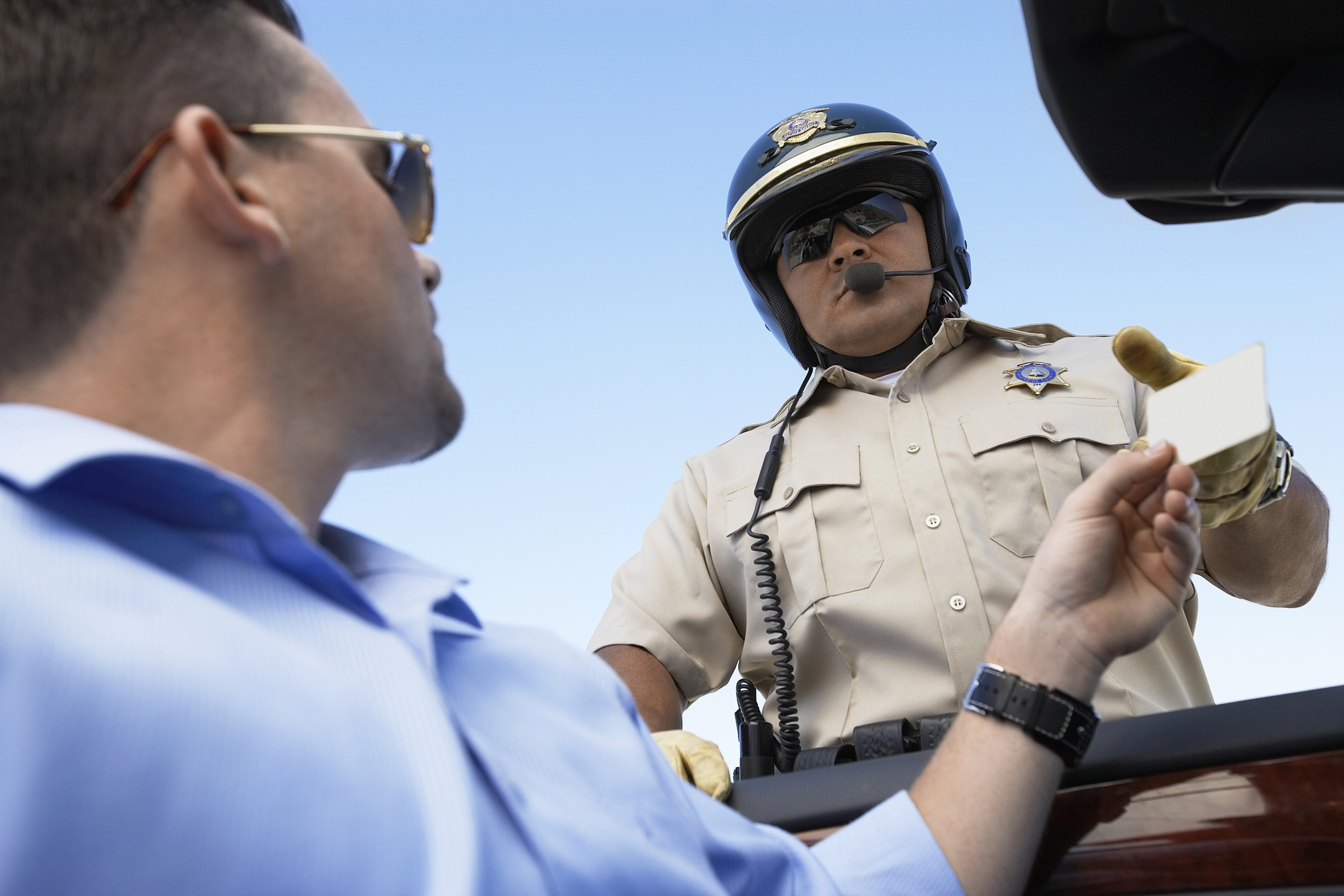
 OVI trials sometimes involve testimony from expert witnesses. Those witnesses include pharmacologists who testify about the accuracy of the defendant’s breath test result. A recent decision from an Ohio Court of Appeals demonstrates the importance of assessing the quality of the expert witness report and evaluating the utility of anticipated expert testimony.
 Destruction of evidence by the government can violate a defendant’s right to due process of law. Due process violations often lead to cases being dismissed. Using dismissal as a remedy is based on the principle that denying a defendant access to evidence can make a trial unfair. This is particularly true when the evidence is ‘exculpatory’: it tends to disprove guilt or is otherwise favorable to the defendant. In DUI cases (called “OVI” cases in Ohio), the evidence often includes video from a police cruiser, a body camera, or a police station. When such a video is destroyed by the government, does the case get dismissed? Like so many questions in the legal world, the answer is:
 In an Ohio appellate case decided this month, the prosecutor assumed defense counsel’s motion was insufficient, and it did not end well for the prosecutor. Defense lawyers often file motions to suppress evidence in Ohio OVI cases. Occasionally, a prosecutor will claim the motion is not particular enough: it’s a ‘shotgun’ motion attacking all the evidence, or it’s a ‘boilerplate’ motion not sufficiently tailored to the defendant’s specific case. The recent case illustrates a prosecutor making that claim should still be prepared to meet their burden of proof.
 DORA may be coming to a city near you. Not Dora the Explorer with her singing map and backpack. DORA the law which allows cities to have