 Columbus OVI/DUI Attorney Blog
 I was recently interviewed by Steve Sleeper for his ‘Ask a Lawyer’ Podcast. We discussed topics related to my career as a criminal defense lawyer and DUI/OVI defense lawyer in Columbus, Ohio. Steve asked some good questions about OVI cases in Ohio, including the OVI investigation, field sobriety testing, and drug/alcohol testing. We also discussed the court process, penalties, and possible defenses for Ohio OVIs. It was a pleasure appearing on Steve Sleeper’s podcast: he is a good host with a great voice.
Shawn Dominy Interviewed for ‘Ask a Lawyer’ Podcast


 An Ohio man was involved in a single-car accident. Officers responded to the accident scene and suspected the man was under the influence. The officers requested that the man perform field sobriety tests, and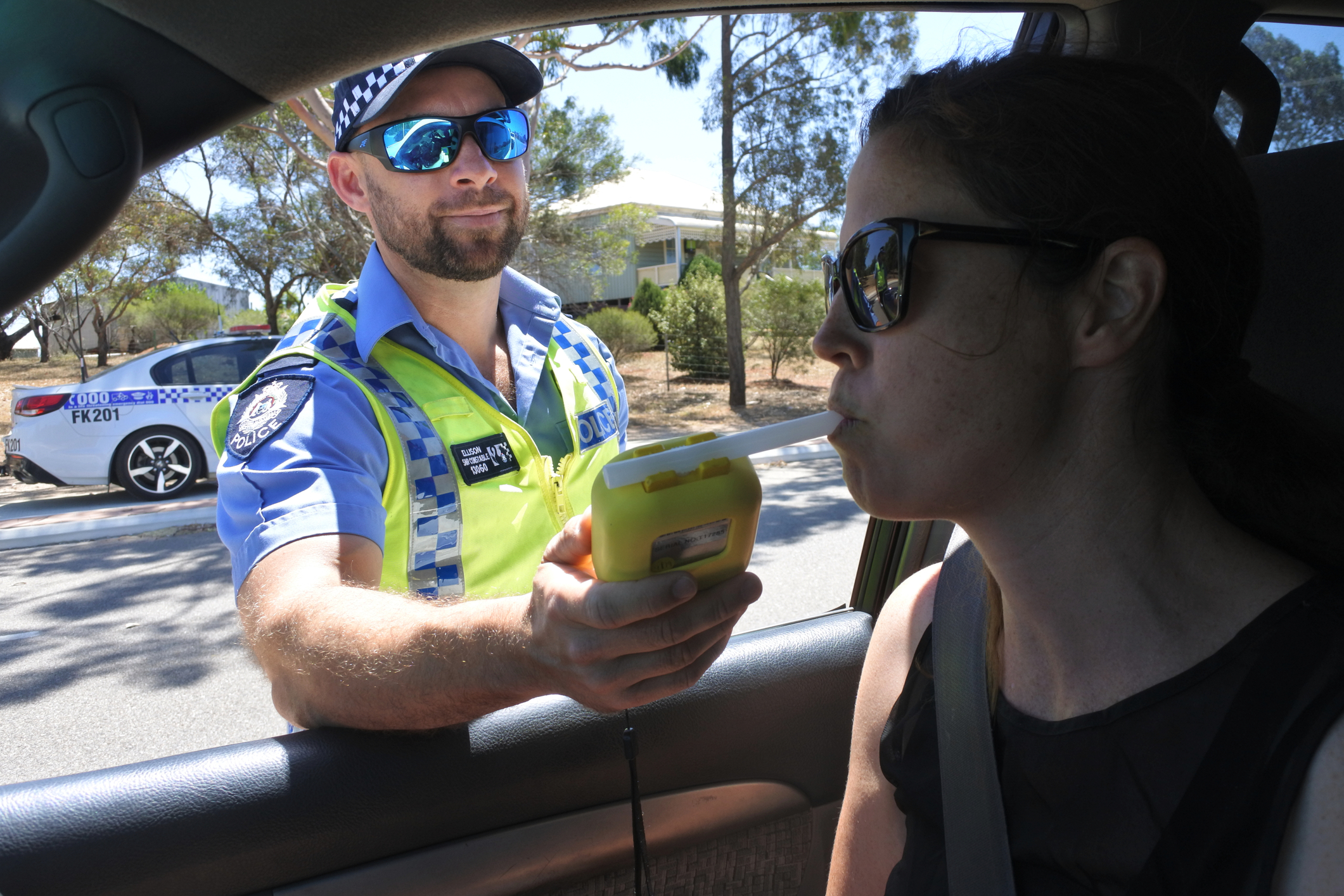
 The headline from a
  A
A 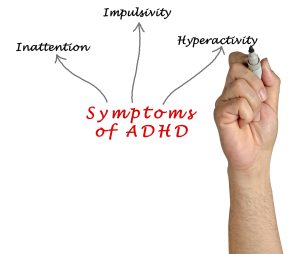 Driving is an activity which requires sustained attention. Drivers must focus on driving and divide their attention among multiple parts of the driving activity: steering, acceleration, braking, watching the speedometer, watching the road, and reacting to a constantly changing environment. For DUI investigations (called ‘OVI’ in Ohio), law enforcement officers are taught to look for problems with attention and administer divided attention sobriety tests. What happens when the subject of an OVI investigation is a driver with ADHD?
 There are situations in which a law enforcement officer observes signs which appear to be symptoms of alcohol intoxication but are actually symptoms of a medical condition. One of those situations is when a driver is experiencing hypoglycemia (low blood sugar). The symptoms of hypoglycemia are nearly identical to the symptoms of alcohol intoxication. A driver experiencing a hypoglycemic event at the time of an OVI investigation has a legitimate defense to the charge of DUI (called ‘OVI’ in Ohio).
 The Chikushino Police Department has a program in which driving instructors test the driving skills of volunteers who are under the influence of alcohol. According to a
  An article
 I recently came across this article in an Ohio newspaper: