 Columbus OVI/DUI Attorney Blog
 I was recently interviewed by Steve Sleeper for his ‘Ask a Lawyer’ Podcast. We discussed topics related to my career as a criminal defense lawyer and DUI/OVI defense lawyer in Columbus, Ohio. Steve asked some good questions about OVI cases in Ohio, including the OVI investigation, field sobriety testing, and drug/alcohol testing. We also discussed the court process, penalties, and possible defenses for Ohio OVIs. It was a pleasure appearing on Steve Sleeper’s podcast: he is a good host with a great voice.
Shawn Dominy Interviewed for ‘Ask a Lawyer’ Podcast



 I came across
  From the 2008
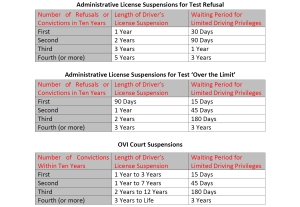
  Suppose a person is charged with DUI (called ‘OVI’ in Ohio) and that person previously refused an alcohol/drug test when arrested for OVI. Can that person’s sentence be enhanced for the current OVI based on the prior refusal? This question was recently addressed by the Wisconsin Supreme Court. In Ohio, this question is addressed in the Ohio OVI statutes. The Ohio OVI statutes are nuanced and do provide consequences for prior convictions and test refusals.
 When I vacation in other states, people ask me where I’m from. When I say “Columbus”, I usually have to add “Ohio”. I have learned that very few people travel to Ohio for vacation. Some people do travel here for business and personal trips. Whether here for a business trip, a personal trip, or an improbable vacation, if a driver with a license issued by another state gets a DUI/OVI in Ohio, that person faces consequences in Ohio and may face consequences in the state which issued the driver’s license.
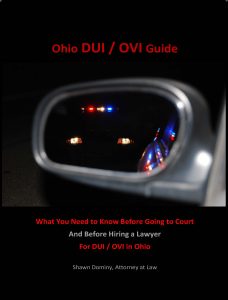 Many people charged with DUI (called ‘OVI’ in Ohio), especially those charged with a first offense, feel like they are in the dark. They do not understand the elements and consequences of OVI, and they do not know what to expect in the court process. They also are uncertain about whether to hire a lawyer and how to find a good defense attorney. I recently published a new book, the Ohio DUI/OVI Guide, which answers most of the questions people ask in this situation. My hope is that those who read the guide will no longer be in the dark.
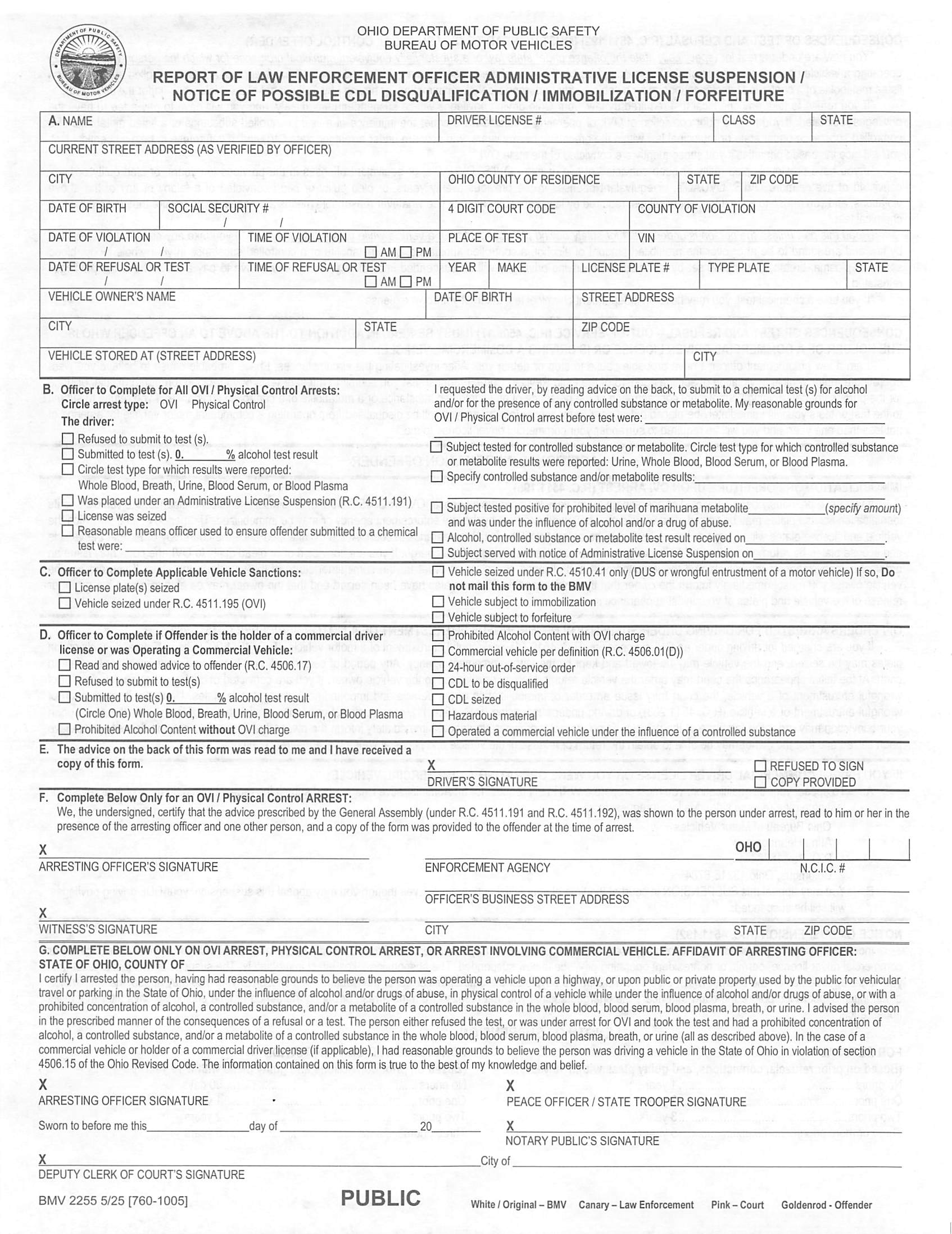
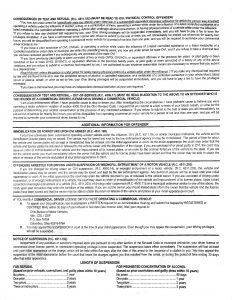 Anyone who has been charged with an OVI / DUI in Ohio has had the pleasure of listening to an officer read several paragraphs from the back of a form provided by the Ohio BMV. This often droll recitation is required by Ohio’s implied consent law, which says that anyone who operates a vehicle in the state implicitly consents to takes a blood/breath/urine test for drugs and/or alcohol if arrested for OVI. An implied consent law similar to Ohio’s was recently found to be unconstitutional by the Georgia Supreme Court.